When I began researching the topic of liturgical homesteading, one of my first tasks was to see if I could identify a patron saint for homesteaders. Did one already exist? If not, was there a saint that seemed like a good fit? Initially, I turned up empty-handed. St. Isidore the Farmer is often a chosen saint for farming families, and though I do have a fondness for Isidore, the stories of his life didn’t quite speak to homesteading in particular. Eventually, I picked up a biography of St. Brigid (sometimes spelled Brigit) of Ireland, and in reading her story, I finally felt like I found the saint I’d been seeking.
Though many saints likely lived a life we would consider to be one of a “homesteader,” St. Brigid was the first of whom the details of her life lined up with many of the tasks performed on a homestead. (Of course, you are free to choose another saint to call patron of your homestead.) Most of the biographical information on her life comes from two different writings on her life. A great read on her life is “The Life of St. Brigid of Kildare”, and includes both of those sources, as well as some commentary and other information by a modern translator.
(Note: when we come across stories about the saints that sound pagan, superstitious, or otherwise bizarre, it is important that we do two things… first, check Catholic sources and compare against the issue in question. Often times, there is a logical rebuttal or explanation to the claim made. Second, consider the time and place which the saint lived… what were the beliefs and understandings of the society they were a part of at the time.)
St. Brigid’s life includes stories of milking cows, making butter, salt, weaving, cooking, brewing beer, gardens, and orchards among other things. These weren’t things she was abstractly connected to, but things she actually partook in during her lifetime. Celebrated on February 1st, the feast of St. Brigid is often celebrated with the making of “St. Brigid” crosses, crosses woven out of reeds, rushes, or straw, but are also sometimes made out of paper or sticks and yarn (usually by children). Alternative materials may be chosen for those without access to new reeds. (There are innumerable tutorials found online for how to weave these crosses.)
These crosses are traditionally placed by windows and doors, as a call on St. Brigid’s intercession for the protection of homes from harm, including fire. Over the years, I’ve encountered a number of homesteaders who have had some tragic encounter with fire to an outbuilding (heat lamps that burst, straw or dust in electrical boxes, lightning strikes, and natural disasters like wildfires being some of the causes). Our own homestead experienced a fire to a chicken coop years ago, and the loss of the animals and the building were both devastating. Placing a St. Brigid’s cross at the threshold of outbuildings may serve as a reminder to ask for her intercession. (Of course, St. Florian is another well-known saint for such a cause.) As always, we know that God is the source of our protection, but like asking a family member or friend to pray for our safety and well-being, so we call on the saints for intercession. Like many of the sacramentals that we repeat yearly, the cross from the previous year would be disposed of in a respectful manner. For St. Brigid crosses, they would be broken apart and scattered on the land or animals.
While the weaving of crosses is one way we remember St. Brigid, she herself did weaving. During the Middle Ages, weaving was a practice most women would have partaken in some shape or form, from weaving cloth to basket weaving to the weaving of mats. St. Brigid is said to have woven the first of these crosses using the rushes that lined the floor of her father’s room while he lay dying. Rushes or reeds were often woven into rugs or mats during the Middle Ages, when most homes didn’t have modern flooring. Rushes were an abundant natural resource, and these floor coverings were replaced once a year to rid the home of bugs and dirt, and because they likely began to break down throughout the course of the year. Today, most people buy rugs for additional floor protection, but many people still braid and weave rugs for use in kitchens next to their sink or in the bathroom next to the tub to absorb water spilled. Perhaps St. Brigid’s day is one for attempting such a project?
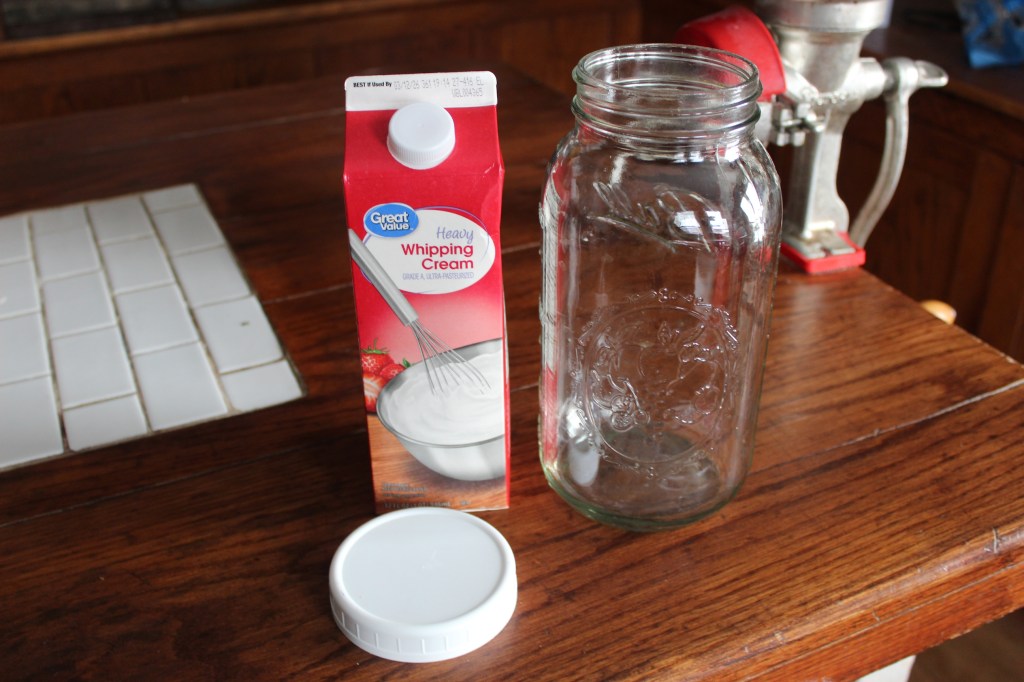
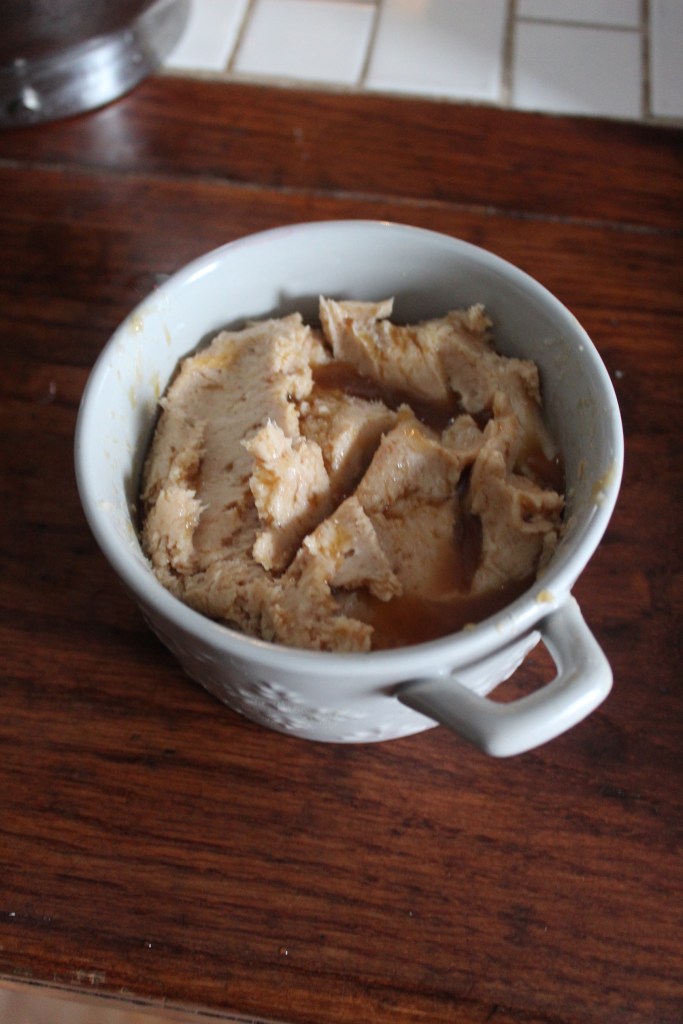
There are many traditions associated with the feast of St. Brigid, in addition to the weaving of St. Brigid crosses. A braided bread is sometimes made to remember her braided hair. Butter, understandably, may be made in honor of the miracles she is associated with in regard butter. Whether the butter made is standard butter, an herbed butter, or a maple cinnamon butter, it would pare well with fresh bread! If you don’t have access to raw milk, either from your own cow or a nearby farmer or homesteader, butter can be made with heavy cream from the store. Butter is made by vigorous shaking and stirring of the thick cream from milk until butter forms, separating the fat from the buttermilk. The leftover buttermilk can be used for baking, so plan ahead how to save it! Lots of people will make butter by shaking cream in a mason jar with the lid on, but it can be made by mixing with a hand or stand mixer until the same results are reached. See the bottom of this post for a blessing of butter and some recipes for compound butters.
Another tradition often associated with this feast day is the blessing of wells or springs. Throughout Ireland, people will visit wells or springs once a year (or more) to bless the source of water. To the Irish, these sources of water are sacred places, reminders of our baptism and the life that comes from the Holy Spirit. In our Catholic faith, the Mass is known as the “Wellspring of Worship.” People visit these wells as a place to offer up prayers, and sometimes tie a piece of cloth called a “clootie” to a nearby tree after washing or drinking from a well for good health. Other religious articles may be left at the site, much like at religious shrines… places of prayer and veneration. These springs or wells are not all visited on St. Brigid’s day. Some people will go on the feast of St. Patrick or on the “Pattern” day of the saint the well is named for.
On the homestead, a well or spring is an important feature. Without water, we cannot tend to animals or raise crops, we can’t clean or cook, and water is vital to many other activities for different homesteaders. Water is a feature many look for when seeking a homestead because it is essential for life. Those who do not have a source of water use rainwater catchment systems in order to gather this necessity from dew and rain. Seeing how very critical water is, then, it is fitting that we take the time to bless these water sources and thank God for the gift of water. We can use a blessing like the one below, or say our own prayers. Perhaps we even name our spring and/or well for a favorite saint or a saint associated with water (St. Peter walking on water, for example). If you have no particular saint in mind, then perhaps following the tradition of visits on the feast of St. Brigid is a great place to start!
Our homestead has a well (not the old style, but the modern kind), and we have spring-fed ponds and an open spring on the property. Even in winter, the spring flows, and it is admittedly a favorite little spot for both my husband and me to visit on our homestead.
BLESSING OF A SPRING OR WELL
We cry without ceasing, O Lord, to Thy fatherly goodness that Thou wouldst sanctify this fountain of water with Thy heavenly blessing and make it suitable for every use. Drive from it every influence of the devil so that whoever draws from it or drinks this water may enjoy good health and full vigor, and give praise and thanks to Thee, the Sanctifier and Preserver of all things. Through Christ our Lord. Amen.
Translated by Most Reverend J. H. Schlarman Bishop of Peoria
BLESSING OF CHEESE OR BUTTER
V. Our help is in the name of the Lord.
R. Who has made heaven and earth.
V. The Lord be with you.
R. And with your spirit.
Let us pray.
Lord God eternal, please bless and sanctify this cheese (or butter) which You have been so kind as to produce from the fat of animals. Grant that all Your faithful ones who partake of it may be filled with every heavenly blessing and with much grace abound in good works, through Christ our Lord.
R. Amen.
(And it is sprinkled with holy water.)
From Rural Life Prayerbook on EWTN
MAPLE INFUSED BUTTER
1/2 cup butter
2 Tbsp. brown sugar
2 Tbsp. maple syrup
1/2 tsp. cinnamon
Mix room temperature or softened butter with other ingredients in mixer until well blended. Serve fresh or form into a stick and refrigerate for longer storage life.
Recipe from Sweet Maple: Backyard Sugarmaking from Tap to Table
BASIC HERB BUTTER RECIPE
- 1 stick/ ½ cup / 125g unsalted butter (room temperature)
- 2 tablespoons fresh herbs
- ½ teaspoon fine sea salt
- Wash and finely chop the herbs, then pat dry.
- Cut the stick of butter into 4 or 5 pieces, and place in a mixing bowl.
- Use a fork to mash the butter until it is softened.
- Slowly add the chopped herbs and salt. Continue to mash the butter with each addition until all the ingredients are thoroughly combined.
- Place in the refrigerator until the butter is firm.
Notes
- You can use salted butter, but do not add any extra salt to the recipe.
- Compound butter should be stored in the refrigerator and should last up to a month. For longer storage, you can keep it in the freezer for up to 3 months. Use an air-tight freezer-safe container.

 The Liturgical Homestead
Leave a reply to Homesteading Tips: Planning Your Year – The Liturgical Homestead Cancel reply